Trading explained simply how to choose the best strategy and succeed
· based on the channel Tori Trades
Key takeaways
- Trading does not require an economics degree or advanced math skills
- Trendlines are essential tools for identifying entry and exit points
- Risk management and stop-loss placement are key to protecting capital
- Futures trading involves high volatility and requires quick decision-making
- Testing strategies on platforms like TradingView helps improve results
Trading is often perceived as complicated, but it really is simple when broken down to core principles. Successful trading mainly depends on following a clear strategy, managing risk properly, and understanding market trends, especially in futures and forex markets. You can start learning how to trade effectively right now by joining the waitlist for exclusive training and tools at Tori Trades waitlist.
Why trading is simpler than most think
Trading does not require a degree in economics or finance, nor does it demand advanced math skills. The fundamental idea is to make consistent decisions based on price action and market structure rather than guesswork. Key elements include spotting trendlines that indicate market direction and using them to plan your trades step by step. This approach reduces confusion and builds confidence.
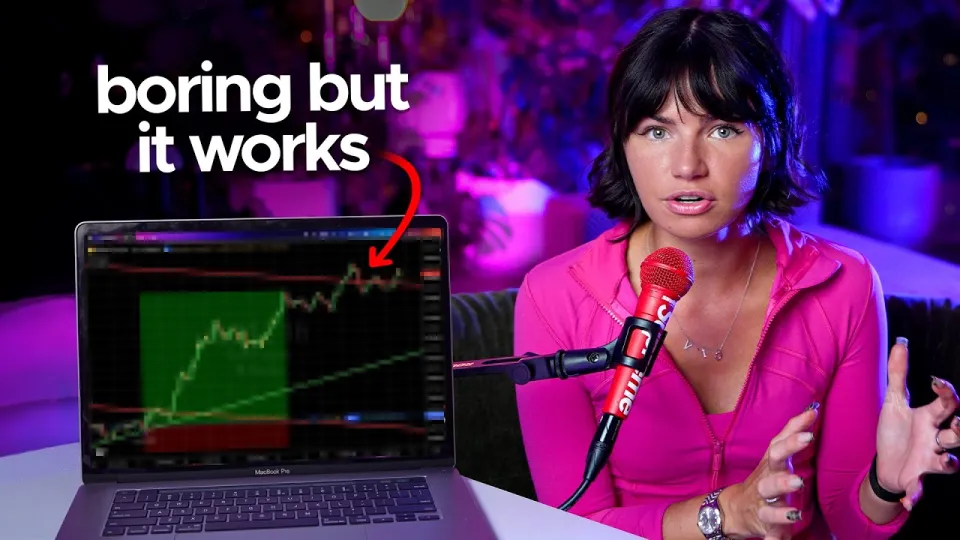
Video: Unfortunately, trading really is this simple
Using trendlines and price action to identify trades
Trendlines are straight lines drawn over swing highs or lows that reveal the market’s direction. They are crucial for both swing traders and day traders. Here’s how to use them:
- Identify the prevailing trend by connecting at least two or three consecutive highs or lows.
- Use the trendline as a dynamic support or resistance level.
- Enter a trade when the price bounces off the trendline, confirming the trend.
- Place a stop loss just beyond the trendline to limit losses if the trend fails.
This simple setup allows traders to enter and exit trades logically rather than emotionally.
Managing risk effectively with stop losses
One of the most common questions is where to place stop losses. The best practice is to position stops just outside the trendline or a recent swing point. This placement ensures that you exit before a larger move against your position occurs. For example, if you buy at a bounce off a trendline, setting a stop a few ticks below that line protects you from a false breakout.
Risk management is vital because markets like gold futures can be very volatile, sometimes moving dramatically in seconds. Without proper stops and quick trade management, losses can escalate rapidly. Always limit the amount you risk per trade and adjust position size accordingly.
The realities of trading futures and volatility
Futures trading offers opportunities due to leverage and liquidity but comes with increased volatility. Price movements can be swift and unpredictable, as seen in gold futures where prices sometimes jump from slow to rapid moves within seconds. This means traders must be alert and ready to exit or adjust trades quickly.
Unlike stock trading, futures markets are often less influenced by algorithms working against retail traders, but they require a solid understanding of price behavior and swift decision-making. Real traders focus on setups they can test and verify, like those built on trendlines and price action.
Common trading questions and misconceptions
Many new traders wonder about re-entering trades after a failed candle or how to handle sudden market bends. The rule is to wait for a confirmed bounce or break of the trendline before entering a new position. Also, understanding the difference between stock and futures markets helps set realistic expectations about market behavior and risk.
Testing strategies on tools like TradingView helps you practice without risking real money, gaining experience and confidence. Tracking your trades with platforms such as TradeZella can improve discipline and help identify areas for improvement.
Useful links
- Join the waitlist for trading strategies and bonuses: https://go.toritradez.com/waitlist-1009
- Track trades like a pro with TradeZella: https://www.tradezella.com/?via=victoria
- Broker used by Tori Trades for futures trading: https://www.tradestation.com/promo/toritrades/
Conclusion
Trading is simpler than many believe when you focus on fundamental tools like trendlines, risk management, and clear entry/exit strategies. Futures trading requires quick thinking due to volatility but can be mastered with practice and discipline. The approach shared by Tori Trades emphasizes simplicity and real-world testing to build sustainable success. For those ready to start or improve, the waitlist at Tori Trades offers valuable resources and guidance to elevate your trading journey.
Source: Unfortunately, trading really is this simple · Markdown version
Questions & answers
Do I need a finance degree or advanced math skills to start trading?
No, trading does not require a finance degree or advanced math. The key is understanding market trends, price action, and following a clear strategy.
Where should I place stop losses when trading with trendlines?
Stops should be placed just beyond the trendline or recent swing points to protect your capital if the trend fails. This limits losses from false breakouts.
How does volatility affect futures trading like gold?
Futures markets like gold can be very volatile, with prices sometimes moving rapidly within seconds. Traders must manage risk carefully and be ready to exit fast.
What is the difference between trading futures and stocks?
Futures trading often involves higher leverage and liquidity with less algorithmic manipulation than stocks, but it requires quick decision-making due to volatility and price swings.